
The glorious crackle of a fresh loaf cooling on the counter is like music to my ears, and nothing quite compares to the comforting scent of crusty Italian bread wafting through my kitchen. With just a handful of simple ingredients, this homemade artisan bread transforms into a rustic delight that’s both beginner-friendly and deeply satisfying. Perfect for accompanying any meal, whether you’re slathering it in butter for breakfast or pairing it with savory soups for dinner, this bread is a staple you’ll want to make time and time again. Plus, it’s easy to customize with your favorite herbs, adding a personal twist to each loaf. Are you ready to impress friends and family with your baking prowess? Let’s dive into this delightful recipe!
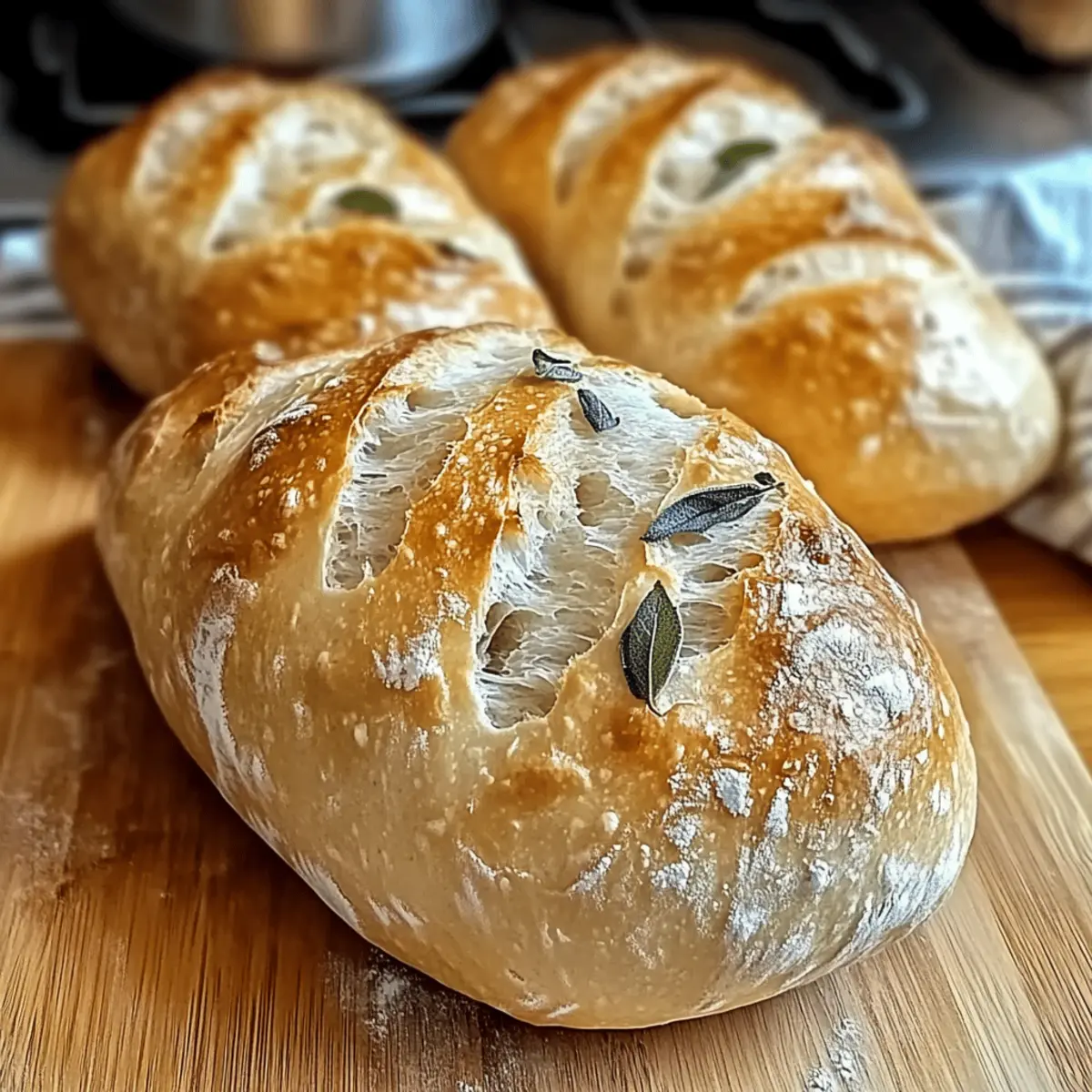
Why is Crusty Italian Bread a Must-try?
Irresistible aroma: The unmistakable scent of freshly baked crusty Italian bread fills your kitchen, making it a delightful experience for all your senses.
Beginner-friendly: This recipe is straightforward, ensuring even novice bakers can achieve delicious results without any stress.
Versatile companion: Perfectly pairs with soups, salads, and spreads, making it an ideal sidekick for any meal. For a special touch, consider serving with a drizzle of olive oil, much like Olive Garden Breadsticks.
Customizable flavors: Personalize your loaf with herbs like rosemary or thyme for an aromatic twist – the options are endless!
Artisan quality at home: Experience the satisfaction of creating bakery-style bread worthy of any dinner table right in your own kitchen.
Crusty Italian Bread Ingredients
• To create your perfect homemade artisan loaf, gather these simple ingredients!
For the Dough
- All-Purpose Flour – Provides structure. Can substitute up to half with whole wheat flour for a nuttier flavor and added fiber.
- Salt – Enhances flavor and strengthens the dough. Essential for taste, do not omit.
- Sugar – Feeds the yeast, aiding in fermentation. Optional, but recommended for flavor.
- Active Dry Yeast – Leavens the bread. Make sure it’s not expired for best results.
- Warm Water (about 110°F) – Activates yeast and hydrates flour. Ensure water is warm, not hot, to avoid killing the yeast.
For Dusting
- Cornmeal – For dusting. Helps prevent sticking and adds texture to the crust.
Step‑by‑Step Instructions for Crusty Italian Bread
Step 1: Prep the Yeast
In a large bowl, combine 1 ½ cups of warm water (about 110°F), 2 teaspoons of sugar, and 2 teaspoons of active dry yeast. Stir gently and let the mixture sit for about 5-10 minutes, or until frothy and bubbly. This step ensures the yeast is active and ready to help your crusty Italian bread rise beautifully.
Step 2: Form the Dough
Once the yeast mixture is frothy, add 4 cups of all-purpose flour and 1 ½ teaspoons of salt to the bowl. Stir the mixture with a wooden spoon until it forms a rough dough. The dough will be sticky at first, but that’s okay—this is where the magic begins!
Step 3: Knead the Dough
On a floured surface, turn out the dough and knead it for approximately 8-10 minutes. Use your hands to push the dough away from you and fold it back over itself, working until the dough is smooth and elastic. You’ll know it’s done when it springs back to the touch and feels supple, giving your crusty Italian bread its perfect texture.
Step 4: Let it Rise
Place the kneaded dough in a greased bowl, turning it to coat all sides. Cover the bowl tightly with plastic wrap or a clean kitchen towel. Let it rise in a warm area for 1-2 hours, or until it has doubled in size—this is crucial for achieving that airy, light crumb in your bread.
Step 5: Shape the Loaf
After the dough has risen, punch it down gently to release the air. Transfer it onto a floured surface and shape it into a loaf or round. Place the shaped dough on a cornmeal-dusted baking sheet, helping to prevent sticking and adding a delightful texture to the crust of your crusty Italian bread.
Step 6: Final Rise
Cover the loaf with a kitchen towel and let it rise again for about 30-45 minutes. During this time, prepare for baking by ensuring the dough doubles in size once more; you’re looking for a puffy appearance. This final rise is essential for achieving the perfect crusty bread texture.
Step 7: Preheat the Oven
While the loaf is rising, preheat your oven to 450°F. Place a shallow pan of water on the bottom rack to create steam as the bread bakes, which helps develop that signature crust. The combination of heat and moisture will elevate your crusty Italian bread to bakery-quality perfection.
Step 8: Score the Bread
Just before placing the loaf in the oven, use a sharp knife to make a few slashes on top of the bread. This allows the steam to escape during baking and adds a rustic touch to the appearance of your crusty Italian bread.
Step 9: Bake to Perfection
Bake the loaf in the preheated oven for 25-30 minutes, or until it turns a deep golden brown and sounds hollow when tapped on the bottom. The smell will fill your kitchen, tempting everyone nearby! This is when your crusty Italian bread reaches its pinnacle of deliciousness.
Step 10: Cool and Slice
Once baked, remove the loaf from the oven and transfer it to a wire rack to cool completely. This step is crucial for allowing the crust to set and ensures the interior remains soft. Once cool, slice and enjoy the delightful textures of your homemade crusty Italian bread!
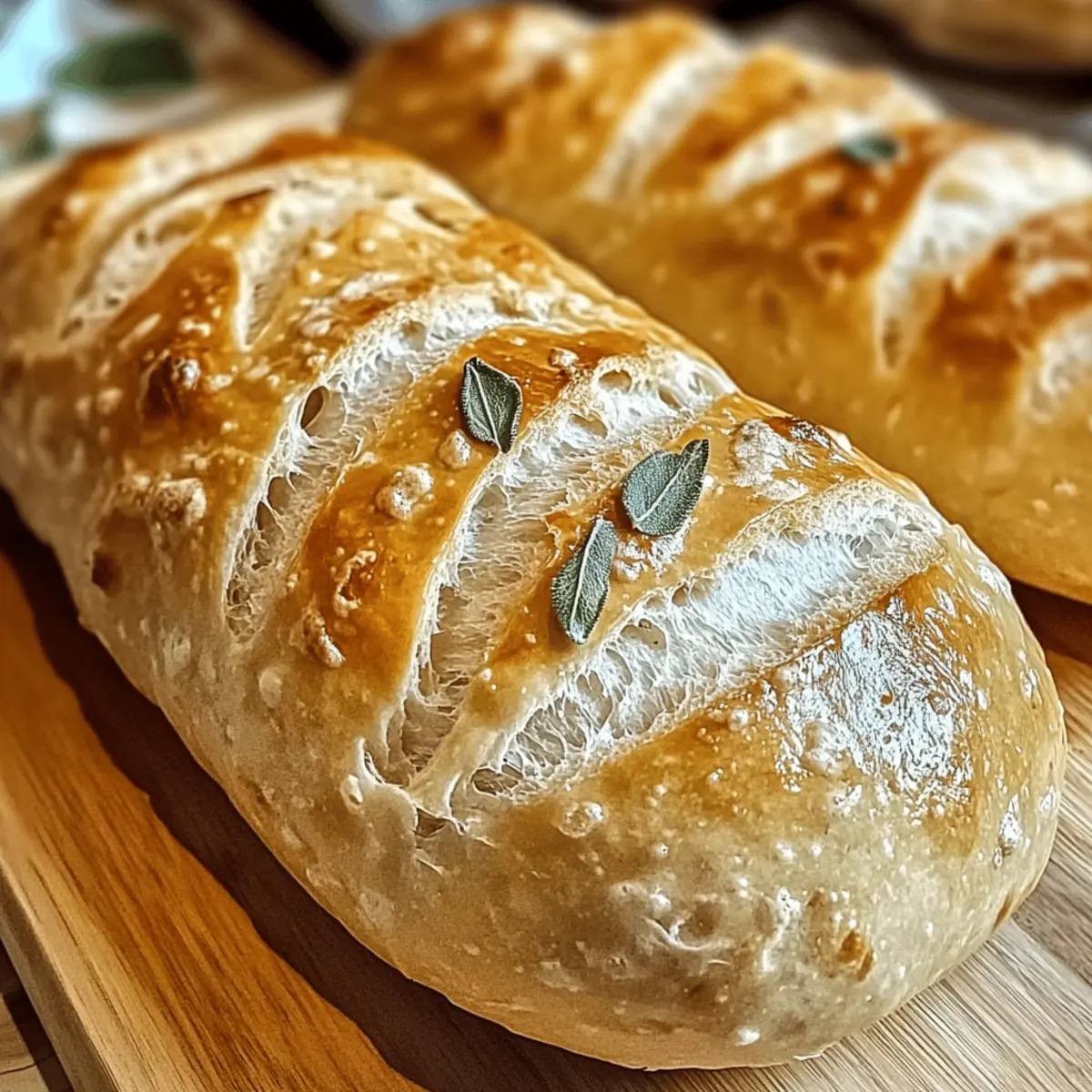
What to Serve with Crusty Italian Bread?
The warm, crispy edges of crusty Italian bread make it the perfect companion for a myriad of dishes, igniting your culinary creativity.
-
Homemade Tomato Soup: A rich, velvety soup that complements the bread’s texture and provides a classic comfort food pairing.
-
Savory Herb Butter: Spread this delicious compound butter on warm slices; the herbs enhance your bread experience with aromatic flavors.
-
Mediterranean Salad: Fresh veggies, olives, and feta provide a vibrant contrast, balancing the hearty, crusty bread with refreshing crunch.
-
Creamy Garlic Mashed Potatoes: Indulge in luscious potatoes that pair beautifully, ensuring every bite is a symphony of flavor and texture.
-
Pasta Primavera: A light and colorful pasta dish that showcases seasonal vegetables, making it a delightful counterpoint to your hearty bread.
-
Olive Oil Dipping Sauce: Whisk together high-quality olive oil and balsamic vinegar for a simple yet elegant dip that highlights the bread’s flavor.
-
Cheese Platter: Serve with a variety of cheeses, from sharp cheddar to creamy Brie, each bite creating a delightful mix of textures and tastes.
-
Roasted Vegetable Medley: Earthy roasted veggies add depth and satisfaction, making each slice of bread an equally attractive addition to your meal.
Expert Tips for Crusty Italian Bread
-
Check Yeast Freshness: Make sure your active dry yeast is within its expiration date; stale yeast can prevent your dough from rising properly.
-
Knead Well: Kneading the dough for at least 8-10 minutes develops gluten, giving your crusty Italian bread its lovely texture.
-
Avoid Overloading: Do not add too many extras like cheese or olives, as they can weigh down the dough and affect rising.
-
Steam for Crust: Placing a pan of water in the oven while baking creates steam, which helps achieve that crispy crust we all love.
-
Butter for Softness: For a softer crust, brush melted butter on the loaf just after it comes out of the oven—an irresistible finish!
Crusty Italian Bread Variations & Substitutions
Embrace your inner artisan baker by customizing this delightful crusty Italian bread to suit your tastes and preferences!
-
Herb-Infused: Mix in 1-2 tablespoons of fresh herbs like rosemary or basil for a fragrant twist that’ll fill your kitchen with warmth. Each bite becomes aromatic and deliciously inviting.
-
Cheesy Delight: Fold in 1 cup of grated cheese like Parmesan or mozzarella into the dough for a rich, savory flavor. The melty pockets of cheese add both taste and texture, making it a family favorite.
-
Whole Wheat Swap: Substitute up to half of the all-purpose flour with whole wheat flour to create a nuttier, heartier loaf. Not only does it add flavor, but it also boosts the nutritional value!
-
Olive-Accented: Incorporate ¾ cup of chopped olives (green or black) into your dough for a Mediterranean flair. This step introduces briny flavors that pair beautifully with roasted meats or pasta dishes.
-
Sweet & Savory: Add a tablespoon of honey or maple syrup to the yeast mixture for a subtle sweetness that enhances flavor. It’s perfect for slathering on butter or enjoying with jam!
-
Spicy Kick: For those who love heat, sprinkle in some crushed red pepper flakes or chopped jalapeños. This fiery addition elevates your crusty Italian bread from classic to exciting in every bite.
-
Pesto Infusion: Blend in a few tablespoons of pesto to the dough for a vibrant flavor burst. The herbal notes of the pesto will complement any meal, converting your bread into an instant star.
-
Next Level Dipping: Use this bread as an accompaniment to your favorite soups or as a base for a delicious garlic bread twist. Serve it alongside a warm bowl of Old Fashioned Bread pudding for a comforting meal experience.
With these variations and substitutions, every loaf of your homemade crusty Italian bread can be a new adventure in flavor, ensuring that you and your family never get bored with this magnificent staple!
How to Store and Freeze Crusty Italian Bread
Room Temperature: Store the bread in a paper bag at room temperature for up to 3 days to maintain its crispy crust while keeping the interior soft.
Fridge: While it’s not recommended to refrigerate crusty Italian bread (as it can dry out), if needed, wrap it tightly in plastic wrap for up to 5 days.
Freezer: For longer storage, slice the bread and wrap individual pieces tightly in plastic wrap, then place them in a freezer bag. It can be frozen for up to 3 months.
Reheating: To enjoy frozen slices, thaw them at room temperature or pop them directly into the toaster for a crispy, fresh taste that brings back that delightful homemade essence!
Make Ahead Options
These Crusty Italian Bread loaves are perfect for meal prep enthusiasts! You can prepare the dough up to 24 hours in advance by allowing it to rise and then shaping it into a loaf. After shaping, cover the dough tightly with plastic wrap and refrigerate it to slow down the fermentation, ensuring it retains its quality. When you’re ready to bake, simply remove the dough from the fridge, let it come to room temperature for about 30 minutes, then proceed with the final rise and baking instructions. This method not only saves time but also results in a loaf that’s just as delicious as if it was made on the day!
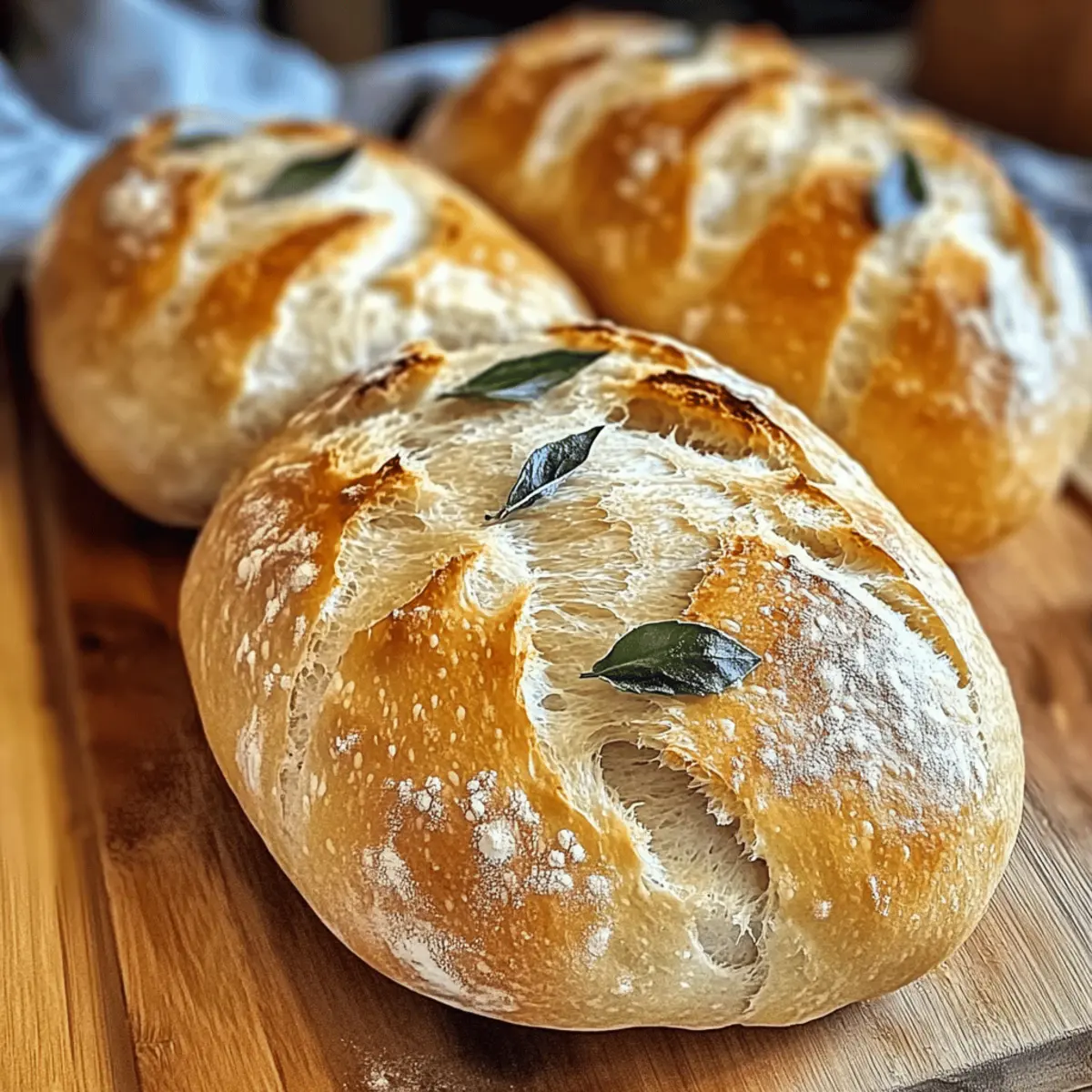
Crusty Italian Bread Recipe FAQs
How do I select the best ingredients for my crusty Italian bread?
Absolutely! For the best results, choose all-purpose flour that is fresh and high-quality for a good structure. If you’re opting for whole wheat flour, ensure it’s not past its expiration date to avoid any bitterness. When it comes to yeast, check that it’s not expired; it should bubble and foam when mixed with warm water. Fresh salt and sugar contribute to flavor and fermentation, making your loaf delicious!
What is the best way to store crusty Italian bread?
To maintain the magical crunch of your crusty Italian bread, store it in a paper bag at room temperature for up to 3 days. This method retains both texture and flavor. If you want to keep it longer, wrap it tightly in plastic wrap or aluminum foil, then pop it into a freezer bag. This will preserve its delightful taste for up to 3 months without compromising on quality.
Can I freeze crusty Italian bread?
Yes, you can! First, slice the loaf to make it more convenient down the line. Wrap each slice tightly in plastic wrap, then place them in a labeled freezer bag to avoid freezer burn. When you’re ready to enjoy your bread, it’s simple to thaw slices at room temperature. Alternatively, just toss the frozen slice straight into the toaster for that freshly baked crunch!
What should I do if my dough isn’t rising?
Very! If your dough isn’t rising, it may be due to inactive yeast or a cold environment. First, ensure your yeast is fresh and active—test it in warm water with sugar to see if it bubbles. If your kitchen is cool, try placing your dough in a warmer area (like an oven with just the light on) or cover it with a warm, damp cloth to retain heat. If all else fails, it might be worthwhile to start over with fresh ingredients!
Is crusty Italian bread safe for my pets or those with allergies?
While crusty Italian bread is safe for most humans to enjoy, it does contain ingredients like flour and salt that can be harmful to dogs and cats in large quantities. It’s best to avoid sharing bread with your pets. For those with gluten intolerance or wheat allergies, consider using gluten-free flour blends, though this may affect the bread’s texture and rise. Always check ingredient labels to ensure safety!
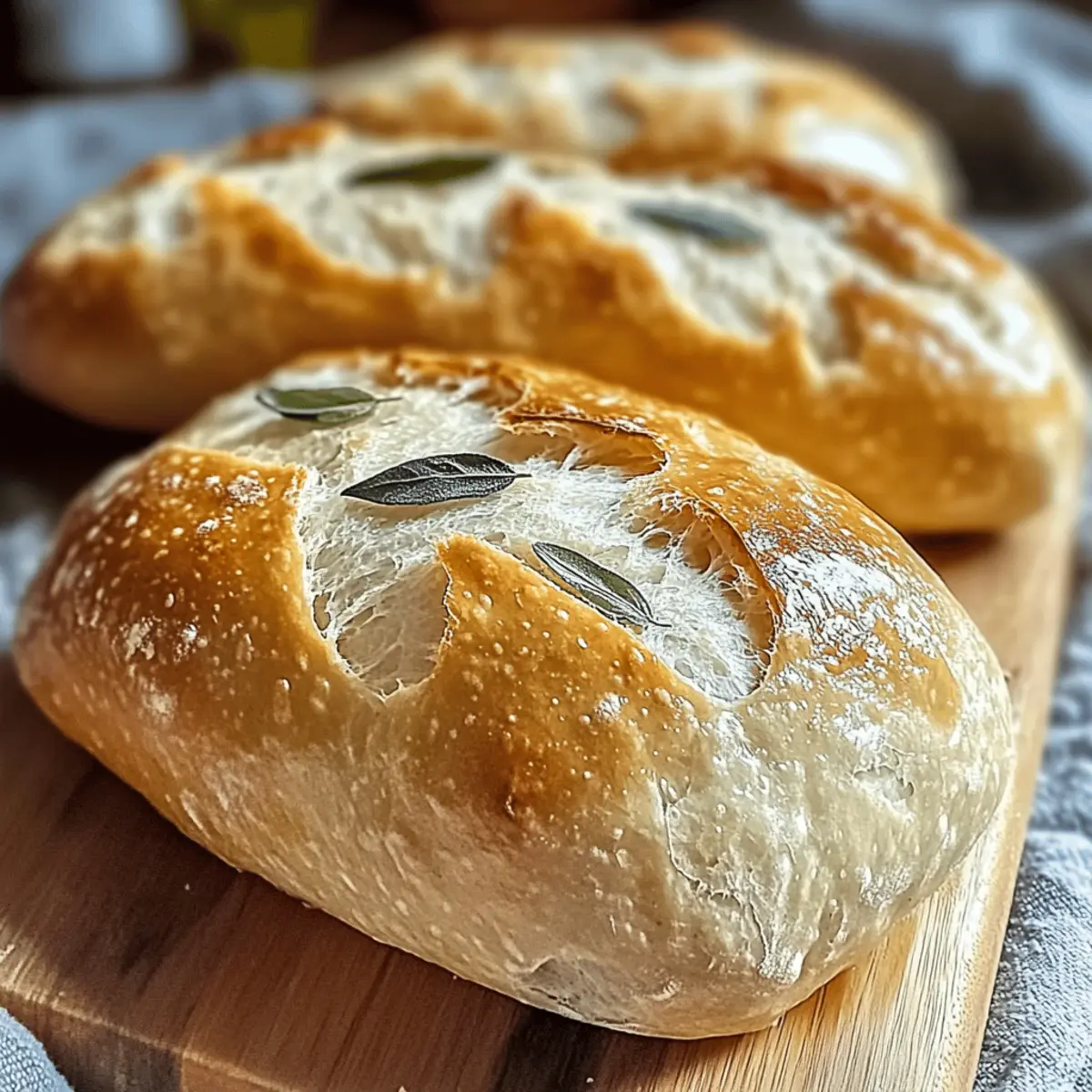
Crusty Italian Bread: Bake Artisan Loaves with Ease
Ingredients
Equipment
Method
- In a large bowl, combine 1 ½ cups of warm water (about 110°F), 2 teaspoons of sugar, and 2 teaspoons of active dry yeast. Stir gently and let sit for about 5-10 minutes until frothy.
- Add 4 cups of all-purpose flour and 1 ½ teaspoons of salt to the yeast mixture and stir until it forms a rough dough.
- Turn out the dough onto a floured surface and knead for approximately 8-10 minutes until smooth and elastic.
- Place the kneaded dough in a greased bowl, cover with plastic wrap, and let it rise in a warm area for 1-2 hours until doubled in size.
- After rising, punch down the dough gently, shape into a loaf, and place on a cornmeal-dusted baking sheet.
- Cover the loaf with a kitchen towel and let it rise again for about 30-45 minutes.
- Preheat the oven to 450°F, placing a shallow pan of water on the bottom rack.
- Score the top of the loaf with a sharp knife to allow steam to escape during baking.
- Bake for 25-30 minutes until golden brown and sounds hollow when tapped.
- Remove from oven and transfer to a wire rack to cool completely before slicing.
Leave a Reply